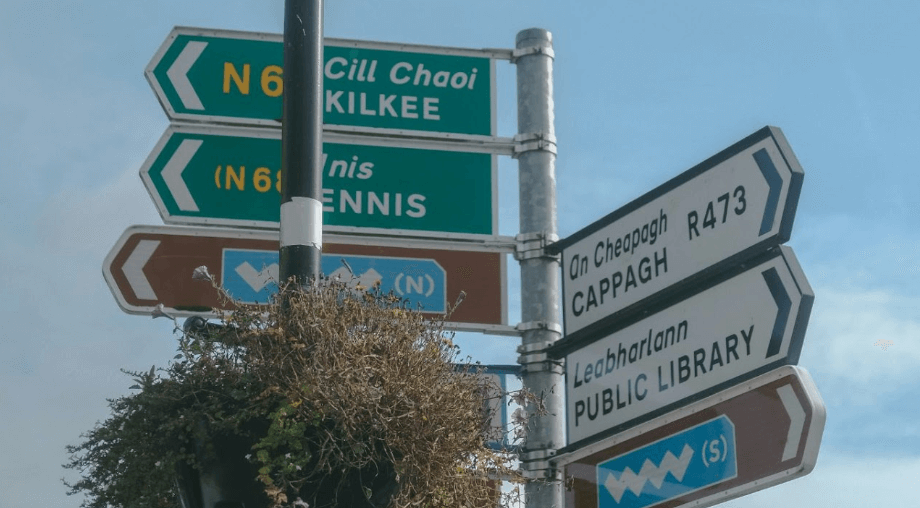
The recent uproar in Northern Ireland over the inclusion of Irish placenames on road signs reveals, yet again, how language can be politicised in ways that miss the bigger picture. Some loyalist voices have framed the proposal to have bilingual signs in both English and Irish as an attack on their identity or culture. In truth, it is the opposite: it’s an invitation to recognise and share in the layered heritage of this island we all call home.
Let’s be clear, no one is losing anything through the addition of Irish to public signage. English remains. The proposal isn’t to erase or replace; rather, it is to include, and inclusion is exactly what peace, reconciliation, and respect should look like in practice.
The Irish language, far from being a political weapon, is a cultural inheritance, one that was once deliberately suppressed and outlawed under colonial rule. For centuries, the native tongue of this island was pushed to the margins, associated with poverty and backwardness by design. To see it returning to daily life, be it on road signs, in classrooms, in art, and even in some loyalist communities, is not a threat more than it is a sign of healing.
In recent years, there has been a growing interest in learning Irish among people from Protestant and Unionist backgrounds. This movement is quiet, open-hearted, and profoundly hopeful. It shows that cultural revival doesn’t have to come at the expense of anyone’s identity. In fact, embracing the Irish language, even just acknowledging it, can help bridge divides rather than deepen them.
It’s worth asking: what does it say about our shared society if the simple act of adding a word like ‘Béal Feirste’ beside ‘Belfast’ feels threatening? Fear of the Irish language is not about the language itself; it’s about the stories people have been told about what it represents. But languages don’t oppress; people do. And the only way to dismantle old narratives of division is to make space for all identities to coexist visibly and respectfully.
The presence of Irish on road signs doesn’t diminish anyone’s Britishness. It simply acknowledges that this land, in all its history and complexity, has more than one voice, and both deserve to be heard.
Peace in the North hasn’t come from pretending we’re all the same, it’s been hard won through the acceptance of our differences, and that those differences can be celebrated rather than feared.

Leave a Reply